
Wildlife Conservation through Camera Trapping
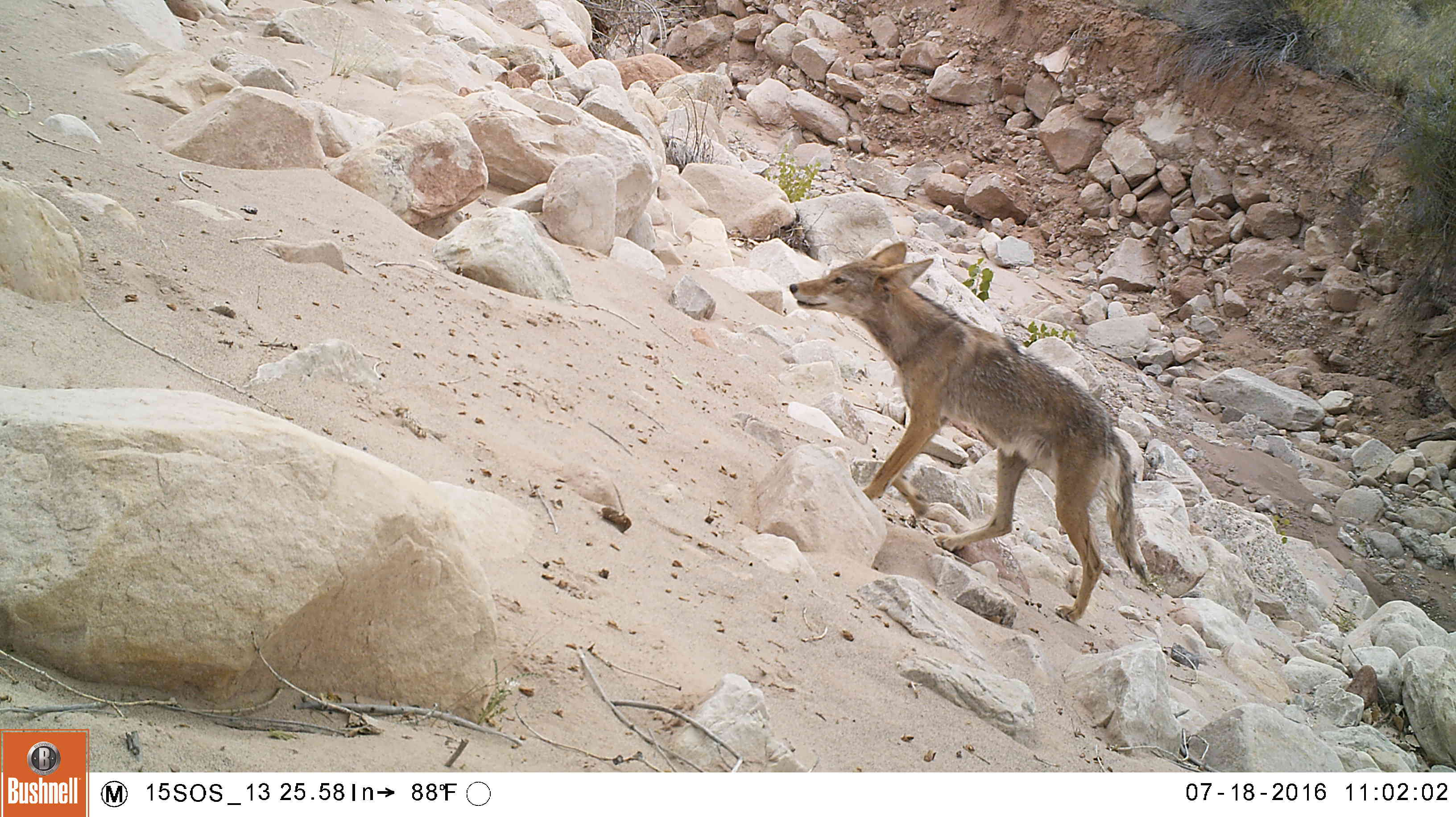
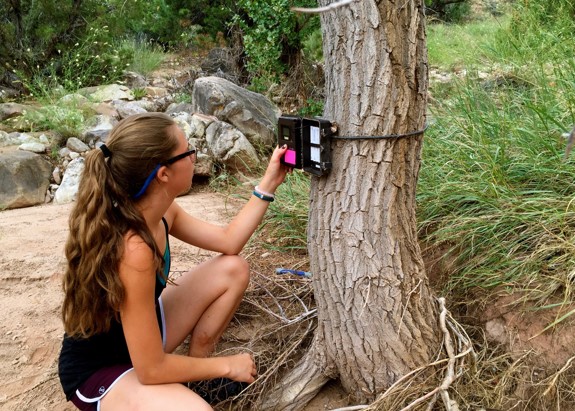
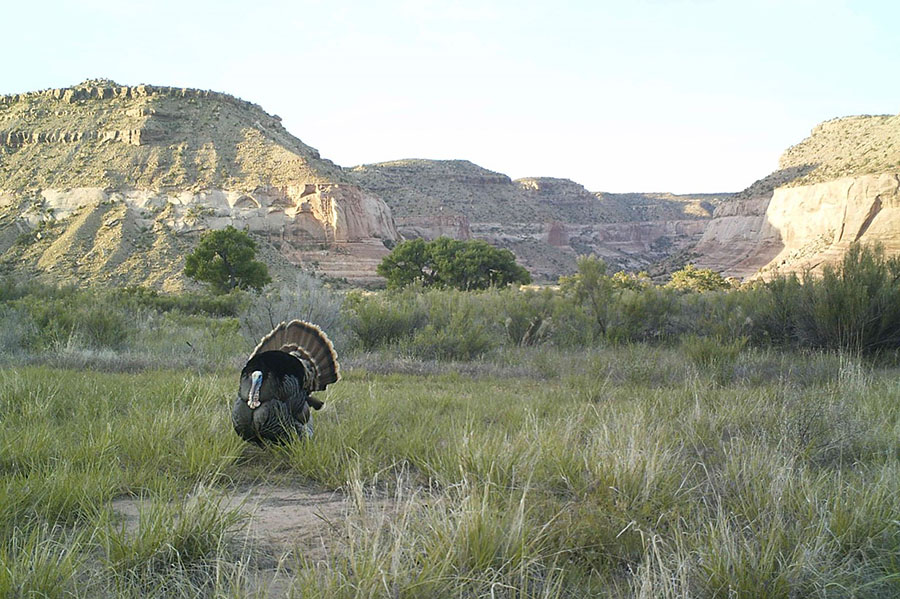
The Biodiversity and Conservation Lab at the University of Utah Biology Department conducts ongoing studies into the presence and distribution of wildlife across Utah using camera traps. Undergraduate students are encouraged to apply for small grants (such as the Rio Mesa Undergraduate Fellowship) to conduct ongoing fieldwork, providing an important training opportunity.
The lab is seeking citizen scientists to assist in the processing of thousands of images from across Utah, including the Rio Mesa sites. Visit the Utah Wildlife website to learn more about the project and how to participate as a virtual naturalist.
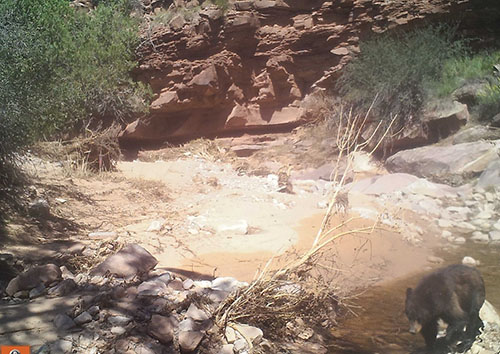
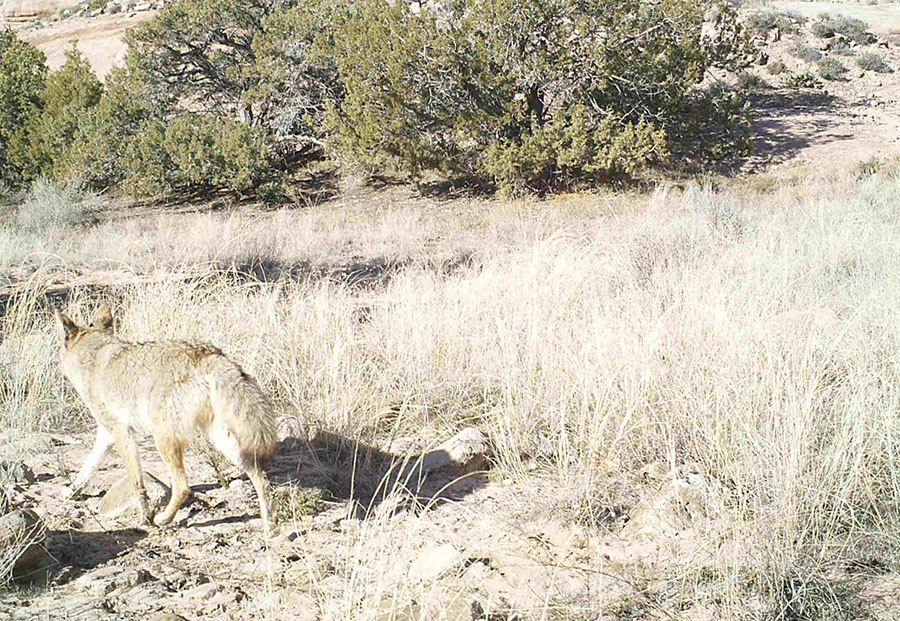
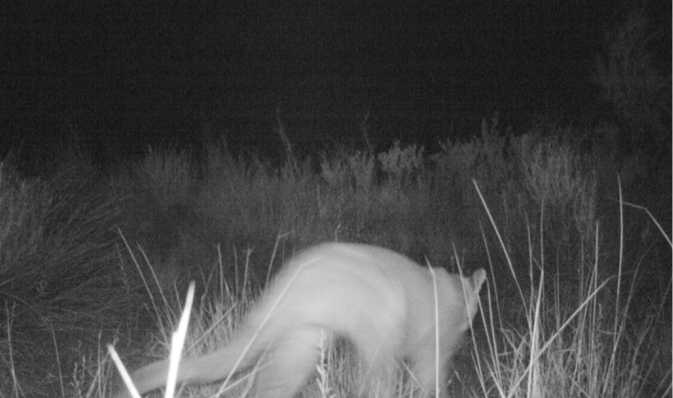
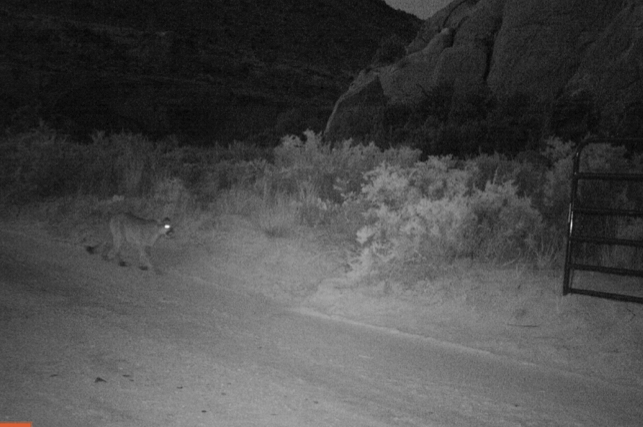
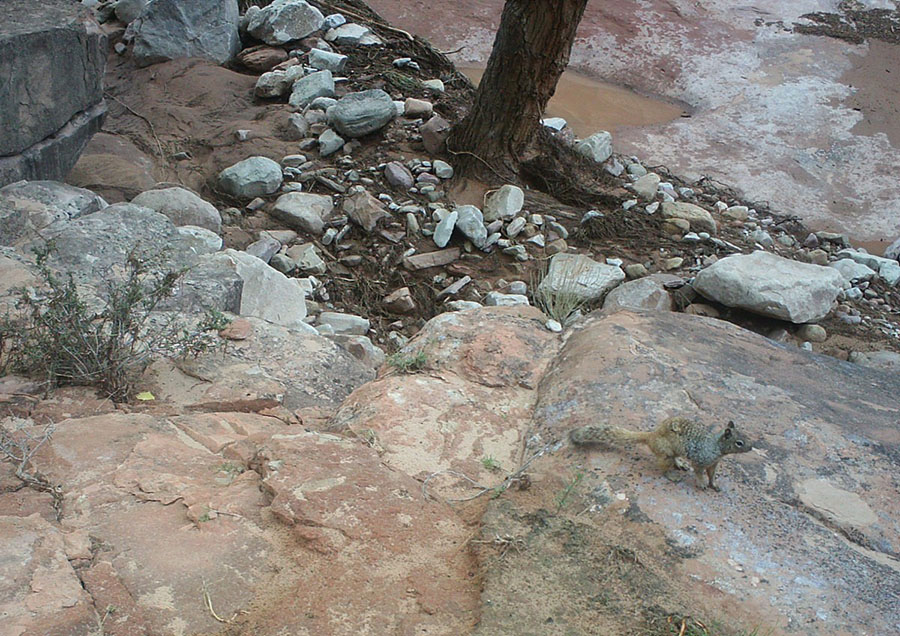
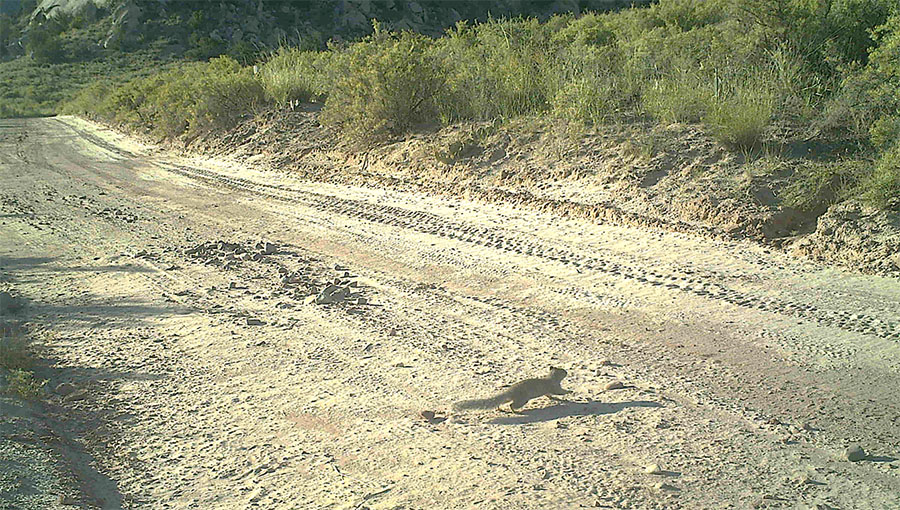
Camera Trap Image Gallery
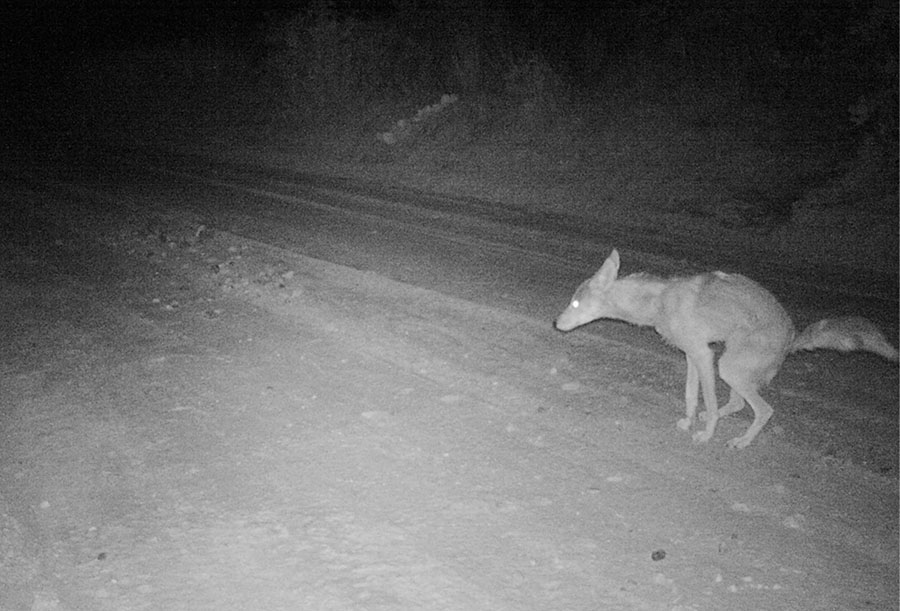
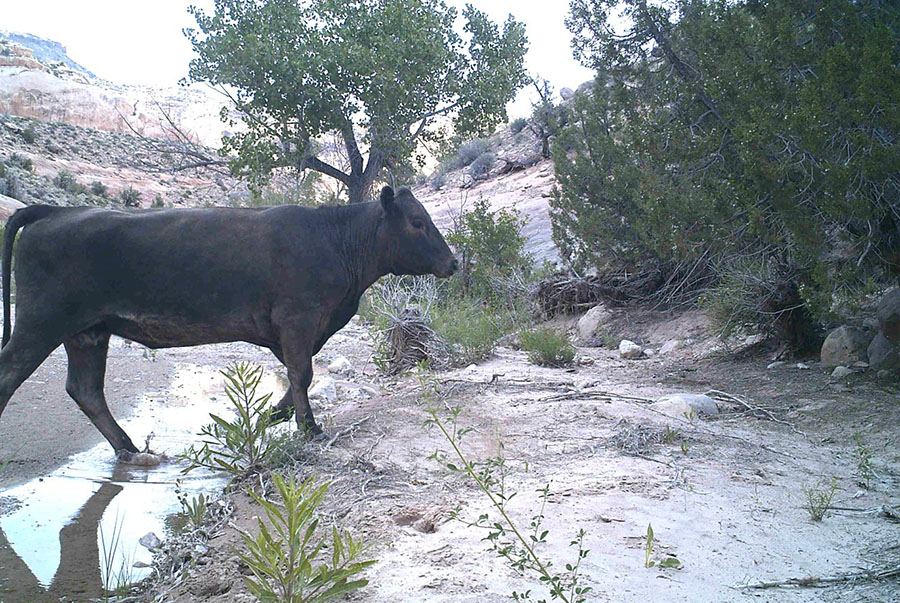
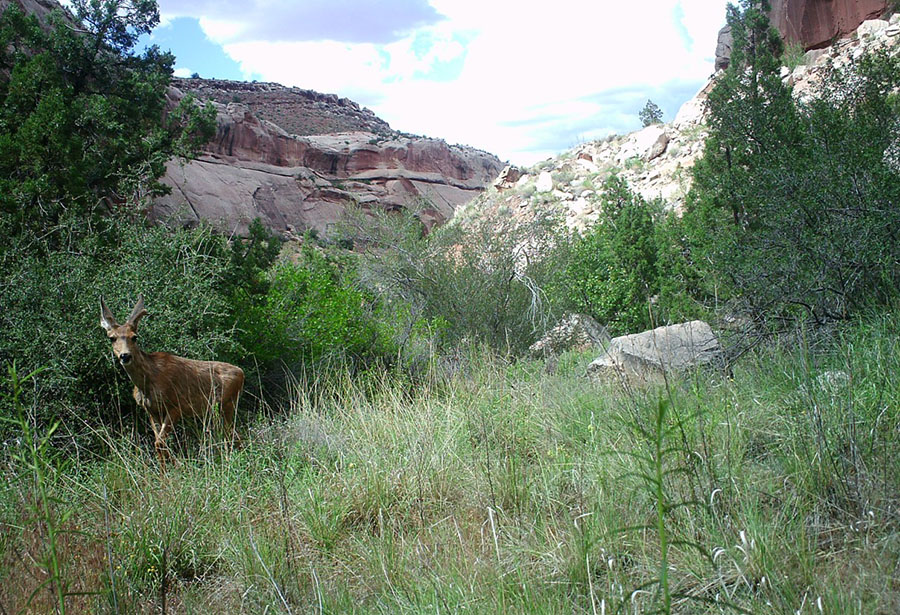
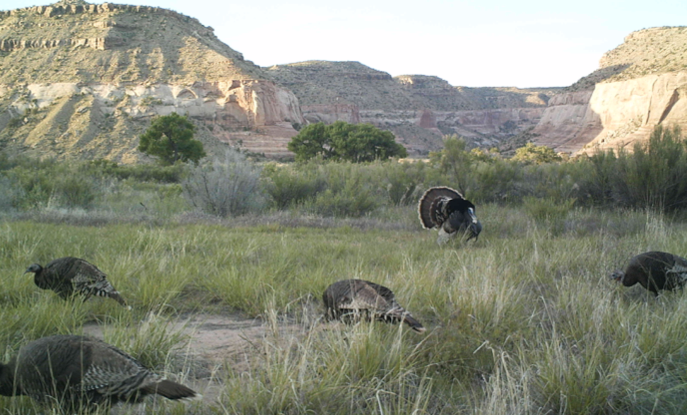
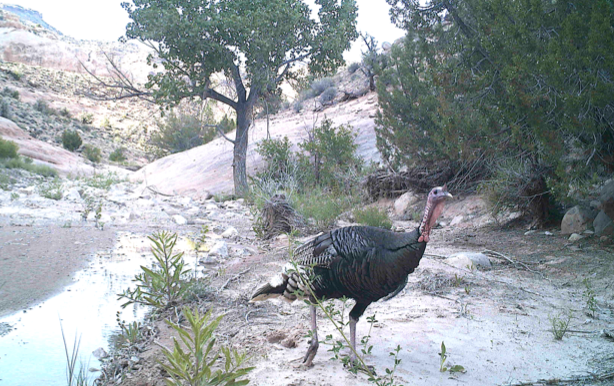
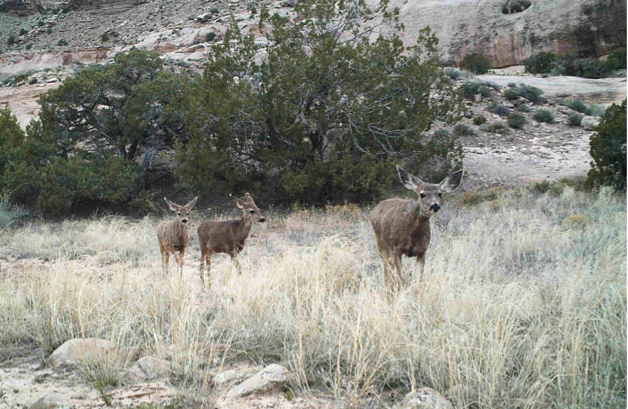
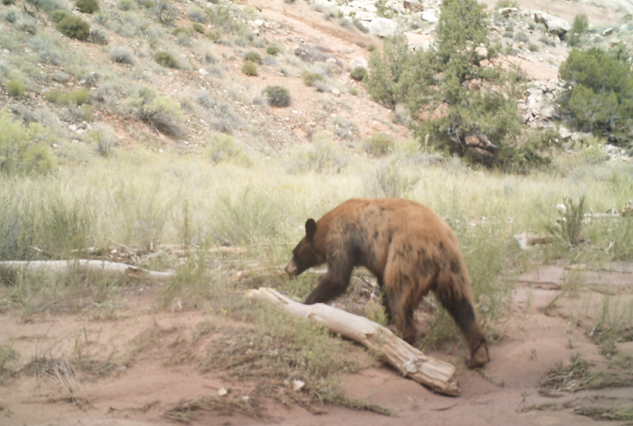
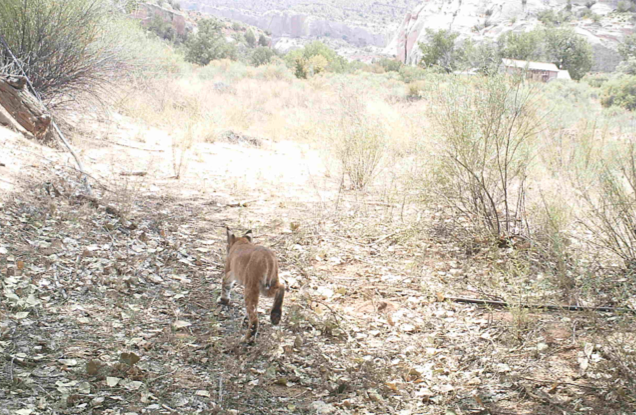
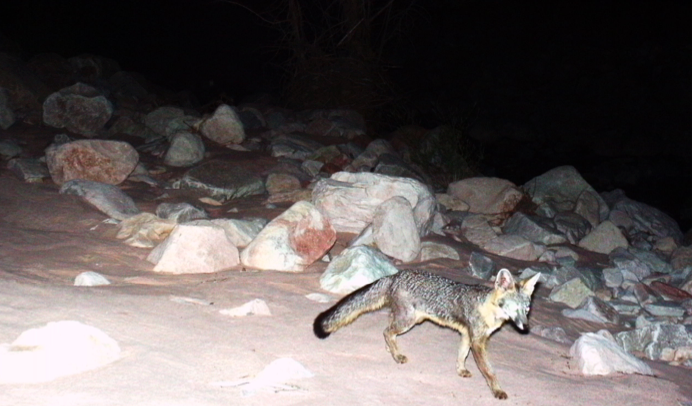
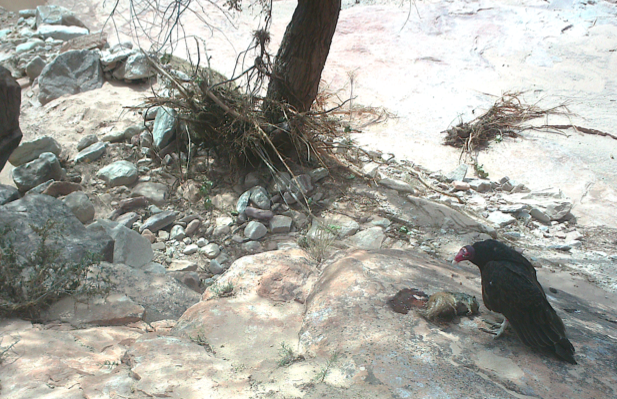
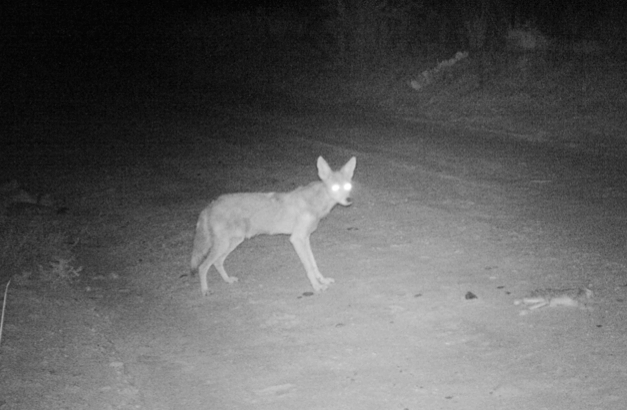
Read a brief description and research summary from an undergraduate researcher working on this project here.